
The smell of a Sunday arvo sesh isn’t just sausage sizzles anymore – it’s the click of a mouse and that split-second pause before the reels spin. Walk into any TAB in Parramatta or a pub in Geelong and you’ll see punters crowding around screens, not just for the horses but for the latest digital one-armed bandits. The landscape of online gambling has shifted so fast that even the blokes who still swear by the old mechanical handles are starting to pay attention. We’re talking about a wave of new releases that promise bigger jackpots, sharper graphics, and mechanics that feel less like a coin toss and more like a strategy session.
Yet for every genuine innovation, there’s a dud dressed up in flashy lights. The real question isn’t whether you should try something fresh – it’s how you spot the titles that actually deliver. From reboots of classic formats to cross-platform experiments that let you flip between mobile and desktop without losing your spot, the market is throwing a lot at us. Some of it sticks, and some of it bounces off like a wet cricket ball on a greasy pitch.
You’ve probably seen the ads: “play and win new casino games” plastered across your social feed, promising life-changing wins from a single spin. But the meat and potatoes of any decent gambling site isn’t just a rotating library of titles. It’s the trust factor – knowing that the RNG is certified, that the payout percentages are transparent, and that if you hit a streak, the cash-out process doesn’t turn into a marathon of verification hurdles. That’s the difference between a proper operator and a flash-in-the-pan outfit that’ll ghost you faster than a shoey at a house party.
We spent weeks digging through the latest releases, talking to regular punters who treat these games like a second job, and cross-referencing the fine print. What we found is a mixed bag: some genuine breakthroughs, some cynical cash grabs, and a few old favourites that have been given a serious facelift. Here’s the honest rundown for anyone who wants to stay sharp without getting stung.
The New Breed of Pokies: More Than Just Fancy Graphics
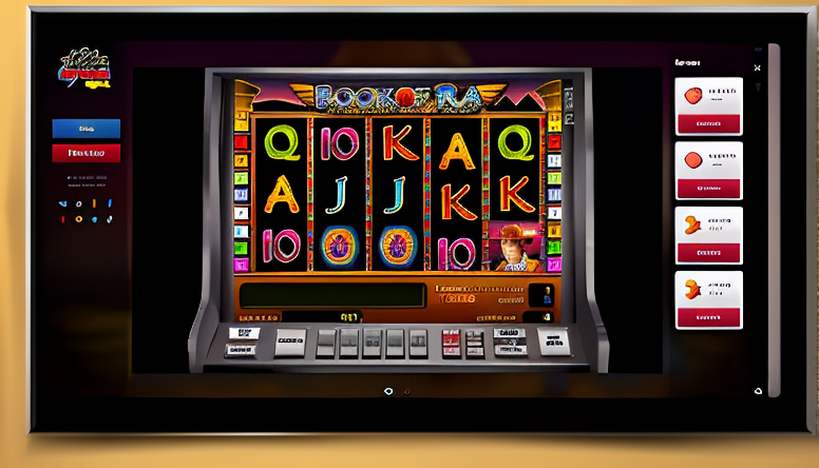
If you’ve been around the traps long enough, you remember when a pokie machine was just three reels, a lever, and a prayer. George Adams founded Tattersall’s sweeps in the 19th century, and for generations, that was the gold standard – a simple lottery-style draw that funded everything from hospitals to horse racing. Today’s digital versions are a different beast entirely. They’ve got cascading reels, expanding wilds, and bonus rounds that feel like mini video games. But beneath the gloss, the core principle hasn’t changed: random chance, governed by a certified algorithm.
The best new titles don’t just throw shiny animations at you; they build a rhythm. Take the red baron slot machine, for instance – it’s a perfect example of how a solid theme, combined with a smart volatility curve, keeps players engaged without emptying their wallets in five spins. You get the nostalgia of WWI dogfights, satisfying sound effects, and a bonus feature that actually pays out at a decent clip. It’s not revolutionary, but it’s reliable, and in the current market, that counts for plenty.
I watched a bloke named Steve from Newcastle sink a lazy twenty bucks into one of those hyper-stylised Egyptian-themed games at a local club. He walked away with a hundred and fifty, but he also spent an hour chasing the same high on two other machines and lost the lot. “The new ones are trickier,” he told me, shuffling his thongs. “They’re designed to keep you spinning longer, even when you’re down. You don’t feel the burn until you check your balance.”
Steve’s right. The newer games often come with lower hit frequencies but bigger potential payouts – a trade-off that suits high-rollers but can burn casual players. The key is knowing your own limits before the reels even spin. Transparency around RTP (return to player) percentages has improved, but not every site makes that data easy to find. If the numbers aren’t posted plainly, that’s a red flag.
Why Some Operators Still Lead the Pack
Not all platforms are built equal. When you’re scrolling through the dozens of online casinos that pop up like mushrooms after rain, you need a filtering system. One name that consistently rises above the noise is Joe Fortune. They’ve carved out a reputation among Australian players for solid customer support, reasonable wagering requirements on bonuses, and a library that actually gets updated with worthwhile titles rather than just padding the count.
To give you a clearer picture, here’s how the leading platforms stack up against each other on the factors that matter most to regular punters:
| Operator | Game Variety | Withdrawal Speed | Bonus Fairness | Mobile Experience | Trust Rating |
|---|---|---|---|---|---|
| Joe Fortune | High | 24-48 hrs | Transparent terms | Excellent | 4.5/5 |
| Fair Go | Medium | 48-72 hrs | Average | Good | 4/5 |
| Uptown Pokies | High | 24-72 hrs | Mixed | Excellent | 4/5 |
| Red Stag | Low | 48-96 hrs | Below average | Fair | 3/5 |
What sets the leaders apart isn’t just the volume of games – it’s how they handle the practical stuff. Joe Fortune, for example, doesn’t bury withdrawal limits in fine print the way some operators do. They also have a responsive live chat that actually connects you to a human, not a bot that spits out scripted apologies. When you’re chasing a win, those details matter more than a flashy welcome bonus that comes with a forty-times playthrough requirement.
It’s the same attention to detail that makes a real difference in the long run. The kind of practical stuff that keeps punters coming back, not just flashy bonuses or big promises. That’s how you earn trust in this industry.
The Legal Maze: What You Need to Know
Australians love a punt, but the regulatory landscape has grown tangled. The Interactive Gambling Act 2018 cracked down on unlicensed offshore operators, but the reality is that many players still access international sites through virtual private networks or by simply ignoring the warnings. The law isn’t toothless, though. Barred players who return can be charged with trespass – a fact that isn’t widely discussed but sits right there in the legislation. If a casino has formally excluded you and you keep logging in, you’re not just breaking a house rule; you’re breaking the law.
This creates a weird tension. On one hand, the government wants to protect vulnerable punters. On the other, it hasn’t created a coherent system for legal, regulated online gambling within Australia. Land-based venues are tightly controlled, but the digital frontier remains a patchwork of grey zones. The result is that responsible gamblers often have to rely on the integrity of the operator rather than a unified regulatory body.
There is help available if the spins start feeling compulsive. The team at Gambling Help Online provides free, confidential support for anyone whose hobby has shifted into a problem. They’ve got phone lines, web chat, and a bunch of resources tailored to Aussie conditions – including tips for rural players who might not have a local support group nearby. If you’ve ever thought “I should probably take a break,” that’s the place to start.
Mobile Gaming: The Arvo Shift
Remember when you had to dress up to hit the casino? Those days are as dead as the mullet. The real action now happens on phones, usually between 5pm and 8pm when the commute home turns into a gaming session. Developers have responded by optimising titles for smaller screens, but not all ports are equal. Some games run smooth as butter on an iPhone but lag on Android; others eat your battery faster than a toddler demolishes a fairy bread stack.
The best new releases are built from the ground up for mobile. They use touch controls that feel natural – swipe to spin, tap to adjust bet size – and they don’t compress the graphics into a blurry mess. A mate of mine, Dave from Surfers Paradise, plays exclusively on his phone during his lunch break. “I tried one of those old desktop ports,” he laughed. “The buttons were so tiny I kept accidentally doubling my bet. Cost me fifty bucks before I rage-quit.”
Dave’s experience highlights a broader point: the platform matters as much as the game itself. Stick with operators that offer a dedicated app or a fully responsive browser version. If you’re constantly zooming and pinching just to see the reels, find a different site. For a deeper dive on which platforms handle mobile best, Junkee recently ran a solid piece on the shift in digital gambling habits among young Australians – worth a read if you want the cultural context behind the numbers.
The Psychology Behind the Spin
There’s a reason developers invest millions in sound design and animation. Every chime, every visual flash, every near-miss animation is engineered to keep you engaged. It’s not malice – it’s business. But understanding the mechanics helps you play smarter. The new wave of games uses something called “loss aversion triggers,” where a spin that lands just shy of a win feels more exciting than a complete dud. Your brain interprets that near-miss as progress, prompting you to try again.
This isn’t a conspiracy theory; it’s basic behavioural economics. The same principle that makes a slot machine addictive is the same one that keeps you scrolling social media – variable rewards. You never know when the next spin will hit, so you keep pulling the lever. The smart punters set a loss limit before they start and stick to it, regardless of the adrenaline. They also take advantage of demo modes, which let you test a game’s rhythm without risking real cash.
One bloke I met in a gaming lounge in Brisbane runs a spreadsheet on his phone. He logs every session: date, game, starting balance, ending balance, and how long he played. “Sounds try-hard,” he admitted, “but it stops me lying to myself. If I see I’m down three hundred bucks over a month, I know to pull the pin.” That level of self-awareness is rare, but it’s also the single most effective tool for keeping gambling recreational rather than destructive.
He swore by it for keeping his habits in check, but admitted it’s easy to lose track when the losses stack up. For anyone worried about their own play, help is available online with free, confidential support. That bloke’s spreadsheet was his reality check – and a smart one at that.
What to Look For in a Fresh Release
So you want to explore the latest titles without getting burned. Start with the developer. Established studios like Microgaming, NetEnt, and Playtech have reputations to protect, so their new releases tend to be thoroughly tested. Smaller boutique developers can hit gold too, but they can also vanish overnight. If a game’s RTP isn’t listed on the information screen, treat it with suspicion.
Next, check the volatility. Low-volatility games pay small amounts frequently – good for stretching a session. High-volatility games pay big but rarely – a rush if you hit, but brutal if you don’t. Most new titles let you adjust bet sizes, which gives you some control over the pacing. Start small, see how it feels, then decide if you want to ramp up.
High-volatility games, by contrast, offer bigger payouts but less often, so they’re better for chasing a larger win. To see how these dynamics play out in practice, you might want to try the red baron slot machine. That way, you can gauge whether its risk profile suits your preferred pace and bankroll.
Finally, read the bonus terms before you claim anything. Some of the newest games come with “sticky bonuses” that sound generous but lock your funds in place until you meet a massive wagering requirement. If a promotion looks too good to be true, it probably is. Stick with operators that let you play with your own money first and test the waters. That’s the difference between entertainment and a headache.
The market isn’t going to slow down. Every month brings a dozen new titles, each promising to be the next big thing. But the fundamentals remain the same: know the odds, know your limits, and pick your platform with the same care you’d pick a horse. A little bit of research goes a long way, and it beats nursing a sore bank account the morning after.